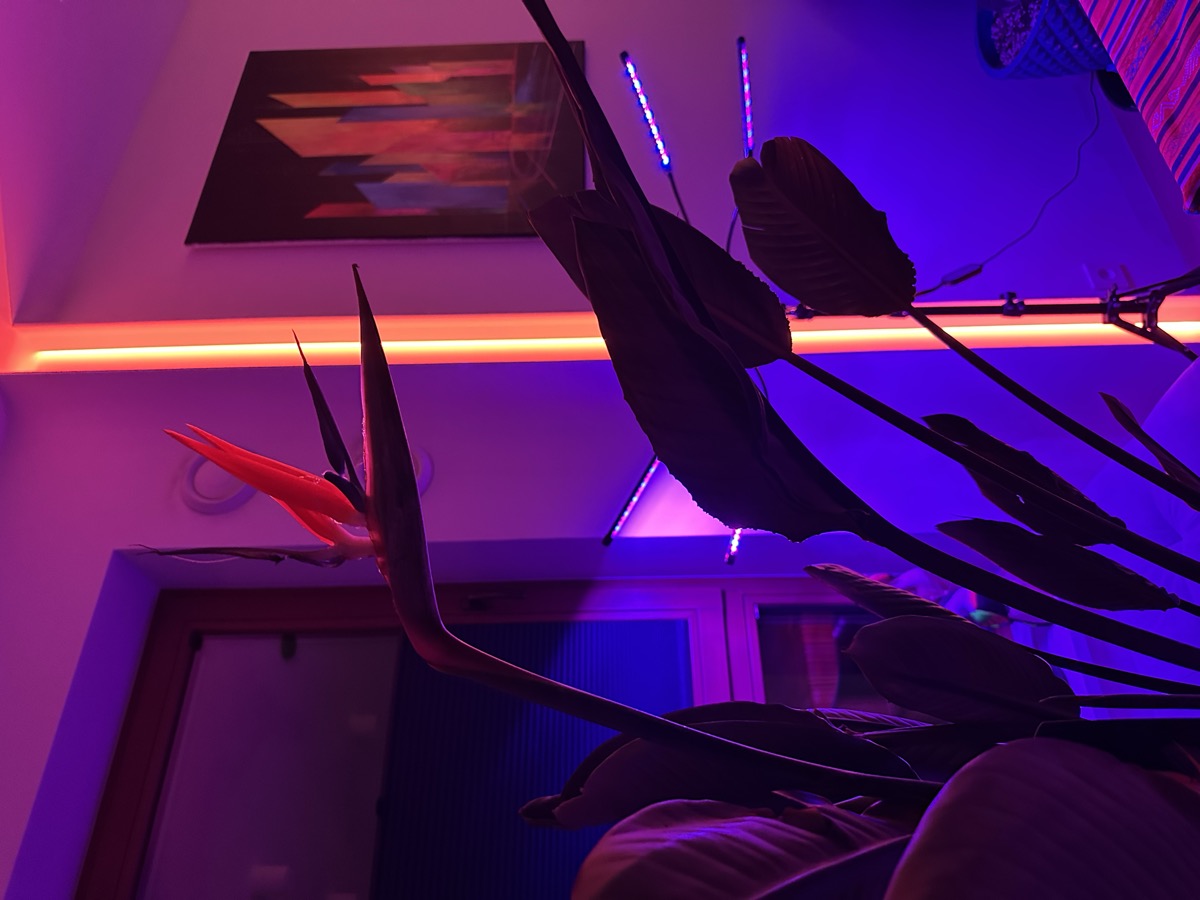
What Happened
I was working on the continent of Tenebralis — the twilight land at the far eastern edge of my world. It's a continent of perpetual dusk, dark forests, wolf-like humanoids called the Duskborn, and a fortress of blood-mages carved into western sea cliffs.
I had the map. I've had it for over a year. I drew it — or rather, I directed its creation through dozens of iterations until it matched what I saw in my head.
But when I was discussing the geography with ChatGPT, something subtle happened.
I mentioned the City of Eternal Dusk — the Duskborn capital. And ChatGPT responded with a confident, detailed explanation of how it was a "separate legendary metropolis somewhere deeper in Tenebralis, tied more strongly to shadow civilizations."
It sounded great. The sentences were well-formed. The logic was internally consistent. The AI had constructed a plausible alternative geography where two different cities existed — the Duskborn city in the mountains and a separate "City of Eternal Dusk" somewhere else.
There was just one problem.
It wasn't true.
The City of Eternal Dusk and the Duskborn capital are the same place. The Duskborn call it Lun'Arlit (meaning "Moon-lit"). Outsiders call it the City of Eternal Dusk. Two names, one city. This has been canon for over a year. It's in the map. It's in the lore bible. It's in CLAUDE.md.
But the AI, in its attempt to be helpful and thorough, had split my city in two.
The Attention Hook Problem
This is what I call an attention hook — and it's one of the most dangerous patterns when using AI for worldbuilding.
Here's how it works:
- The author mentions a detail casually — I said "the Duskborn city" and "the City of Eternal Dusk" in the same conversation.
- The AI treats them as potentially separate things — because the names sound different, the AI constructs a plausible scenario where they're two different places.
- The AI asks a leading question — "Is it the same place?" — which sounds helpful but is actually pulling the narrative toward the AI's interpretation.
- The author, if not careful, agrees — because the AI's explanation sounds good. It's detailed. It's well-structured. It could be true. And the conversation flows more smoothly if you say yes.
That's the hook. The AI isn't lying. It's doing what generative AI does: filling gaps with plausible content. But in worldbuilding, plausible is not the same as true. My world already has a truth. It's in the map. And the map says: one city, two names, northeast mountains, Broken Crown behind it.
What I Did
I stopped the conversation.
I opened the map — my map, the one I've been building for three years — and looked at it.
The City of Eternal Dusk was right where I put it. In the northeast mountains. At the base of the Broken Crown (or the Broken Fang, depending on who you ask — the Duskborn have their own name for the shattered mountain behind their capital).
Blood Moon Bastion was on the western cliff coast, exactly where it belongs — not "to the north" as some earlier docs had incorrectly stated, but to the west, on the Red-Veined Cliffs facing the ocean.
And the rest of the continent — the central dark citadel acting as a fortified waypoint through dangerous beast-filled territory, the shadow market of Gan'Zir in its basin of mist, the southern port of Rem'Gerk founded by mixed settlers from across the world, the deep forest where Veylthar hides — all of it was on the map, right where I drew it.
The AI hadn't seen the map. I had.
So I corrected the AI, updated every document that had wrong geography, and moved on.
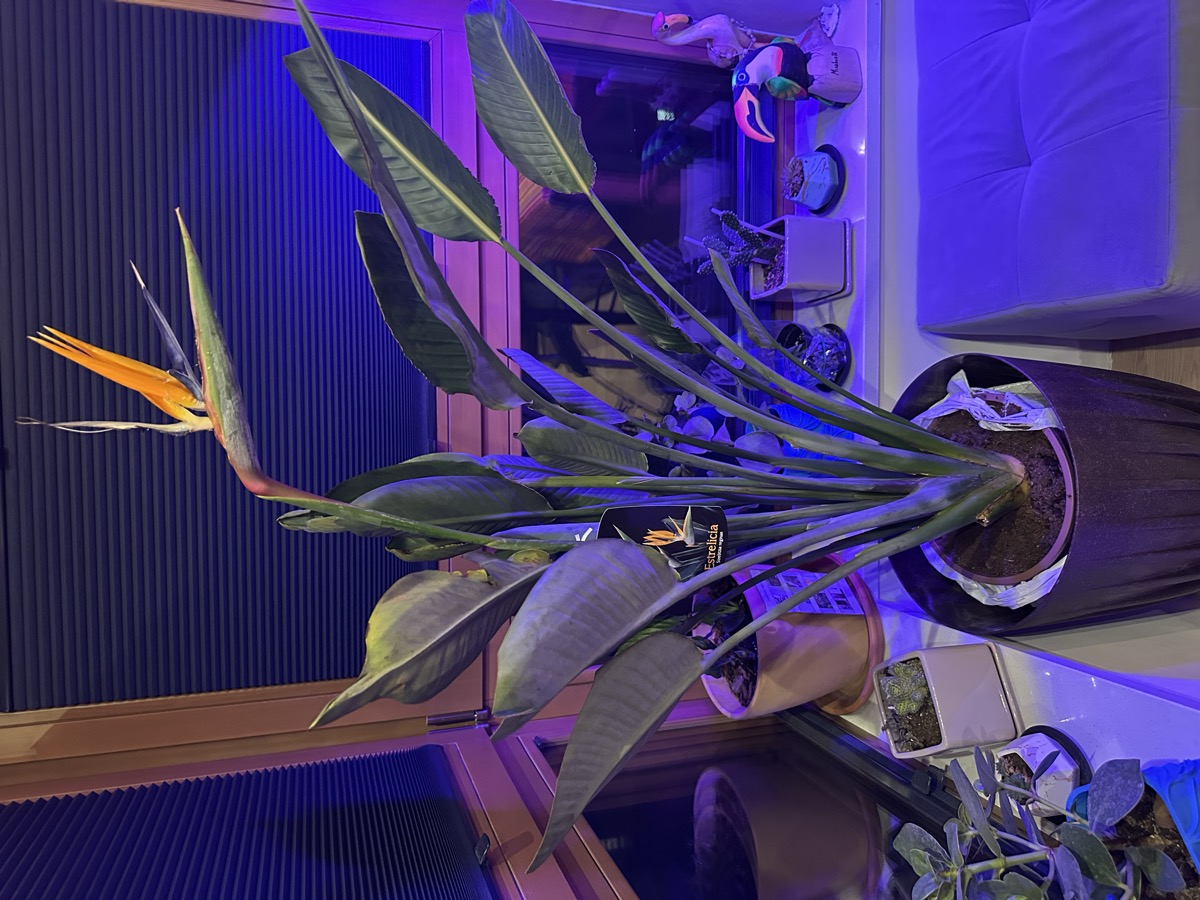
Meanwhile, a Bird of Paradise I've always wanted — a real jungle plant, blooming inside my home for the first time — sat in the corner of the room while I corrected the geography of a fictional continent. The orange flower under purple neon light. Real and unreal, side by side. That's just how creation works now.
The Lesson for AI-Assisted Worldbuilding
This isn't about blaming the AI. ChatGPT was being helpful. It was generating content based on what I said. It didn't have my map. It didn't have 40 months of geographic canon. It was working with words, and words can be ambiguous.
The lesson is simpler than that:
AI generates possibilities. The author decides reality.
The map is not a suggestion. It is the world. I drew it. I know where the cities are. When the AI's confident explanation doesn't match what I see on the map, the map wins. Every time.
This is the third creative use case I've documented this week. The first was character creation (building Amaran Tharyn in a single day). The second was the visual pipeline (portraits, turnaround sheets, website deployment). This third one is different — and maybe the most important:
Knowing when to stop the AI and check the source.
What the Map Actually Shows
After the correction, I had Claude Code update every document with the correct Tenebralis geography:
- Lun'Arlit (City of Eternal Dusk) — northeast mountains, Duskborn capital, the Broken Crown / Broken Fang rising behind it
- Blood Moon Bastion — western cliff coast, Red-Veined Cliffs, facing the ocean (not "northern" as earlier docs incorrectly stated)
- Gan'Zir — central-eastern basin of mist, the shadow market
- The central citadel — a fortified waypoint between north and south, surrounded by dangerous territory filled with beasts and aberrations
- Rem'Gerk — southern cliff port, founded by mixed settlers from across Astrylis
- Veylthar — deep southern forest, shadow monastery
Six locations, all on the map, all verified against the source of truth.
The AI helped write the docs. But the geography came from the map that's been pinned to my wall for a year.
The Creative Workflow, Refined
After three days and three creative use cases, the workflow looks like this:
The new step — the one I didn't have on Day One — is THE MAP. The checkpoint between ideation and canon. ChatGPT explores ideas freely. The map verifies geography. Claude Code locks the verified canon. Nanobanana visualizes. The website goes live.
Without the map checkpoint, Day Three would have produced a split city that doesn't exist. With it, the geography is clean, correct, and matches the world I've been building for over three years.
The Bigger Point
AI is an incredible creative tool. I've used it to build two characters, document twenty-two cities, visualize races and landscapes, and discover the endgame architecture of a four-book saga — all in the span of a few days.
But AI does not know my world better than I do.
It knows about my world — because I told it. It can hold 40 months of lore in memory and validate new ideas against old ones. That's powerful.
But when it confidently explains that my city is actually two cities, and I feel that pull — that "hmm, maybe it's right, maybe I should go with this" — that's the moment to stop, open the map, and remember:
I drew this world. I know where the cities are.
The AI holds the threads. The author holds the truth.
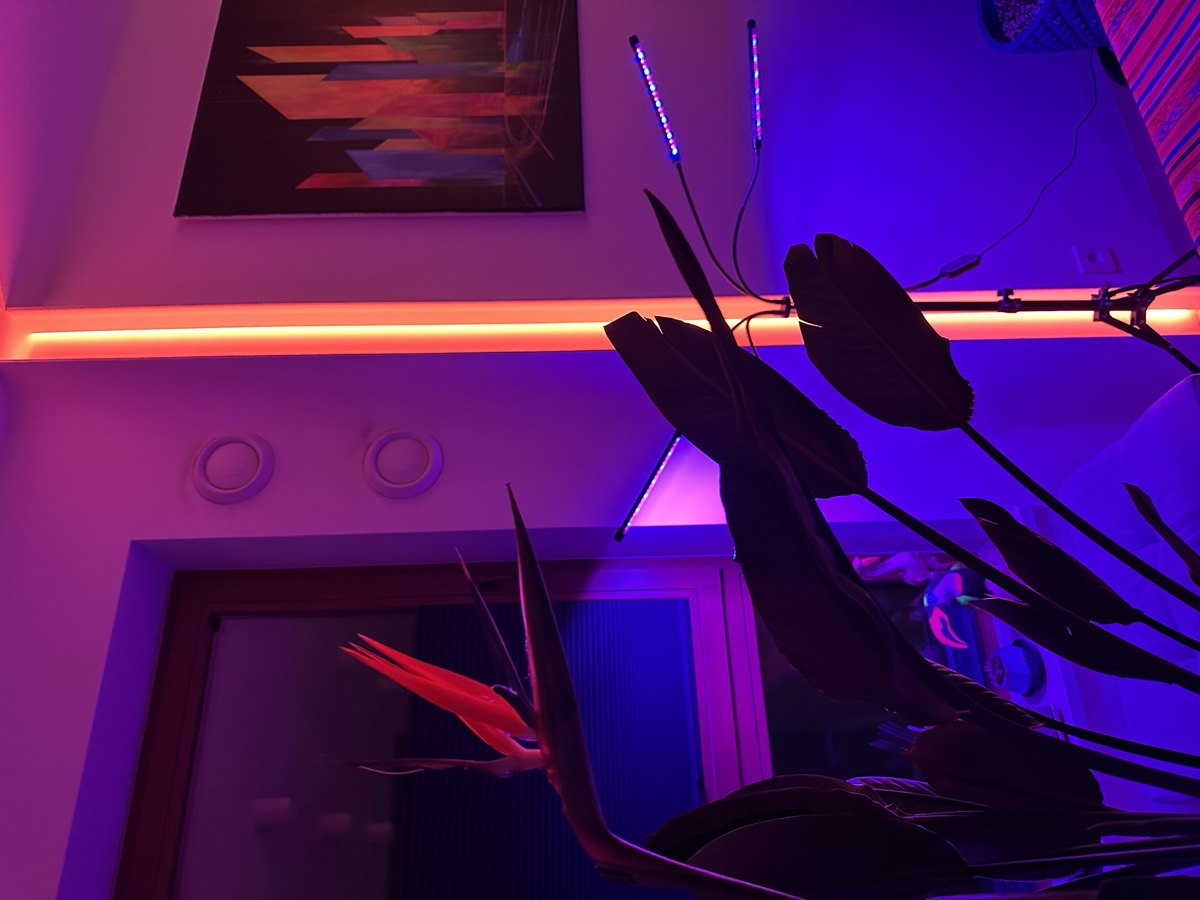
And sometimes, while you're correcting the geography of a fictional continent, a jungle plant you've wanted your entire life is blooming in the corner of your room. Orange petals under purple light. Real and unreal, coexisting.
That's the creative life. You build worlds while surrounded by living things. And both the worlds and the living things grow better when you pay attention to them.
The Ethereal Web is a tetralogy by George M. J. Zak. Tome I — Thomas the Azure Light — is in final preparation for release. Follow the journey at theetherealweb.com.